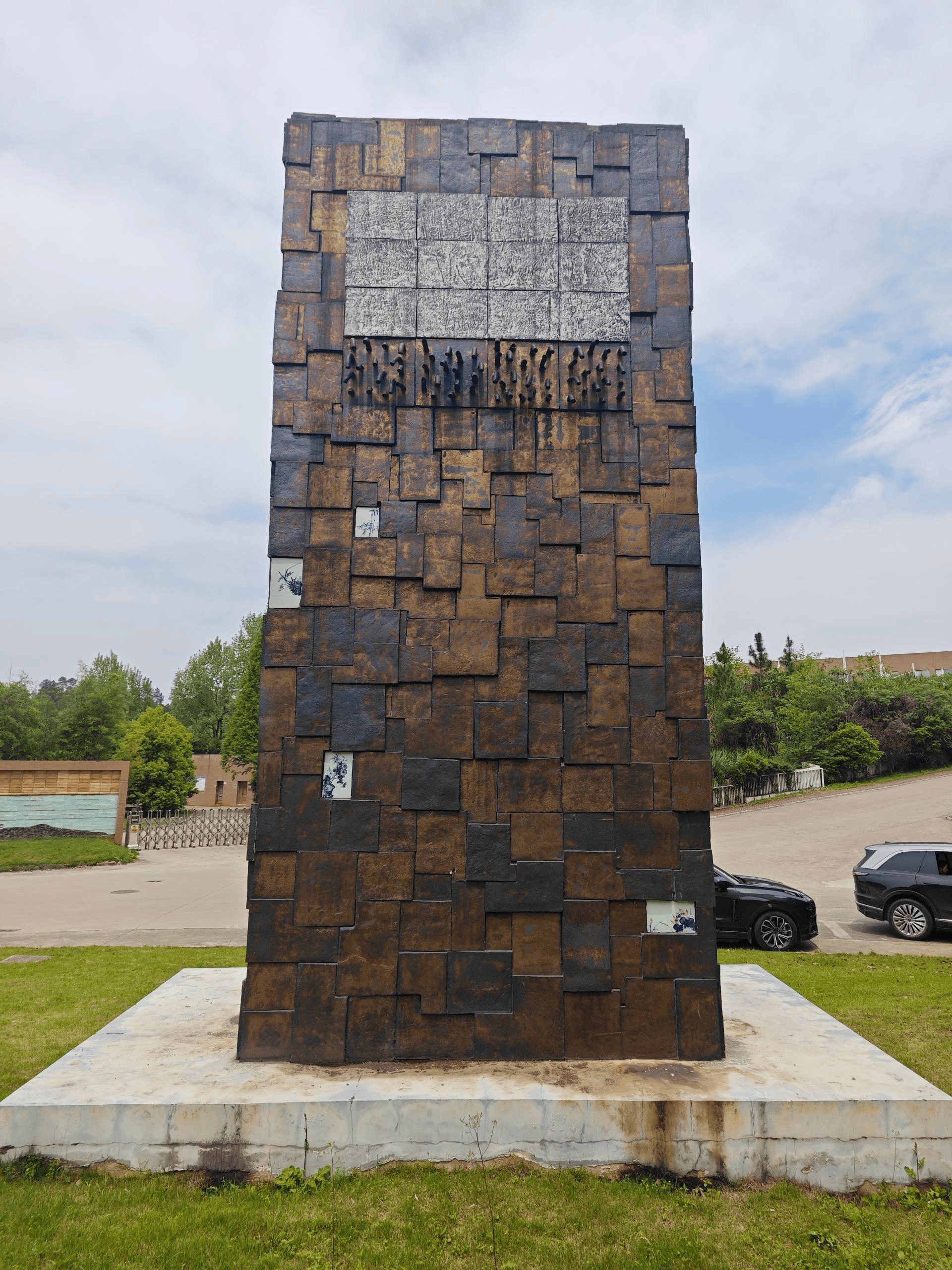
Brick statue embodies a remarkable medium variety with a prolonged record, stretching back myriad of periods. From ancient containers to present-day installations, the matter offers peerless possibilities for creative rendering. Makers manipulate diverse techniques – including molding, wheel manipulating, and sophisticated firing processes – to manufacture humble terracotta into beautiful three-dimensional creations. The sturdiness of fired brick also contributes to its status as a truly significant part of human history.
Analyzing Clay Plaque Motifs and Approaches
The sphere of ceramic badge design offers a considerable array of artistic possibilities. Craftsmen often adopt a amalgamation of authentic and up-to-date techniques to develop visually striking pieces. These can extend from simple, molded reliefs to complex, multi-layered structures. Standard methods include template molding, sculpting by hand, the glaze process – which can involve diverse modes like primary coloration, applying decoration after firing, and engraved motif where designs are disclosed by abrading a layer of enamel. Supplementary study into external finishes such as quick baking and gloss finish can create truly one-of-a-kind and tailored earthenware tiles.
- Slip Casting - Assembling pieces using a model
- Sculpting by hand - Accurately crafting the mud
- Varnishing - Layering the top with a glassy finish
- Scratched design - Making visible designs by excavating films
Captivating Experiences: Ceramic Art Assemblies
The transforming landscape of craftsmanship presents exciting innovative avenues for viewers, and ceramic art installations are at the apex of this revolution. These aren't just static pieces; they are fabricated to envelop the participant in a sensory atmosphere. Imagine walking through a forest of towering, finished ceramic trees, or navigating a web of fragile ceramic vessels. Many sculptors are now incorporating sonics, illumination, and even bouquet to enhance the effect of their work. Consider the power of a room filled with hundreds of delicately ceramic creations, each telling a anecdote. Commonly, such installations explore themes of wilderness, recollection, and society.
- Those installations blur the thresholds between craft and architecture.
- Engaging with a ceramic art installation can be a deeply intimate journey.
- Artisans are challenging the edges of what is conceivable with clay.
Any Grace of the Stoneware Container: Significance and Design
The porcelain pot represents a notable mixture of functionality and decorative appeal. Historically, these urns served a simple purpose in preserving liquids, but their advancement has transformed them into highly valued works of art. Each object showcases the know-how of the craftsman, demonstrating how structure can be as meaningful as purpose. The attentive shaping, the rare glazes, and the general presence of a skillfully-formed vessel can enhance a space, offering both appeal and a gentle reminder of the creative hand.
Up-to-date Stoneware Sculpture : Challenging Frontiers
Recent ceramic art represents a fascinating change from customary practices. Builders are actively pushing with fresh tactics, merging the lines between ceramics and diverse expressive areas. From colossal installations to elaborate miniature pieces, these works investigate themes of culture while together transforming the core of what terracotta can manifest. The result is a vigorous sector of inventive expression.
Ceramic Plaque: Preserving History in Clay
Ceramic plaques offer a unique method for documenting significant events and people. Unlike traditional metal or stone markers, these durable pieces of art are formed from processed clay, creating a substantial link to the former times. Regularly, they present intricate embossments or Jingdezhen Ceramics precisely drawn imagery, portraying stories that might otherwise be neglected. That technique, stemming from ancient peoples, provides a visually appealing and permanent way to respect our collective chronicle.
- The described can be located in shared spaces.
- Numerous are now accepted historical valuables.
Stoneware Art Exhibits: Redefining Places
Stoneware art installations are arising a compelling medium for artists to transform public and private spaces. These immersive pieces frequently involve considerable clay artifacts that surround viewers, shifting their appreciation of the created environment. By incorporating diverse ways like artisanal crafting and elaborate firing ways, ceramic artists fabricate truly unique experiences, erasing the divisions between work and setting. The result is often a strong shift that raises the stylistic quality of the space and develops conversation.
Inception Potter's Wheel to Delight: The Technique of the Stoneware Container
The journey of a porcelain container from a simple lump of dirt to a elegant work of expression is a testament to human skill. Originally, the process starts with the potter’s spin wheel, where the experienced artisan builds the circling soil into a cylindrical configuration. This early part demands precision and a attuned eye, followed by a delicate dehydration period. Once heat-treated, the holder is ready for decoration, which may consist of decorating intricate designs, cutting detailed portraits, or using a collection of surfaces. The ultimate curing process then evolves the piece into a durable and remarkable holder, a tangible demonstration of the artisan's skill.
Shaping with Brick: A Introduction to Earthenware Craft
Investigating the world of clay work begins with studying the rudiments of sculpting with ceramic material. Such means includes carefully building and reducing matter to fashion three-dimensional creations. If you're a starter or a master artist, playing with assorted varieties of pottery – particularly ceramic – will facilitate you explore your special manner. In conclusion, porcelain forming is a valuable undertaking that connects dexterous mastery with expressive exhibition.
Comments on “How can Magic Cube Ceramics Travel Cup support your brand’s minimal aesthetic?”